

A Minimal Liability Company (LLC) is an adaptable business structure in the United States that combines aspects of both collaborations and companies or single proprietorships. It is favored for its versatility, simplicity of configuration, and the limited responsibility security it offers to its owners, called members. Among the key benefits of an LLC is that it permits the security of personal assets from organization financial debts and insurance claims-- a feature generally seen in companies. This means that in the instance of monetary failing or lawful problems, the personal properties of the members, like homes and individual savings account, are usually secured. In addition, LLCs go through pass-through taxation, where the business's income is only strained once at the private members' degree, preventing the double tax corporates encounter on dividends. This structure is specifically interesting local business owners looking for simpleness and marginal regulative needs.
Establishing up an LLC can differ from one state to one more, but it usually involves declaring Articles of Organization with the suitable state agency and paying the required costs. These articles lay out basic details concerning the LLC, such as its name, principal address, and the names of its participants. Though not obligatory in all states, developing an Operating Contract is thought about best technique. This inner file controls the LLC's procedures and outlines the civil liberties and obligations of its participants. It functions as a structure for the LLC's operating and aids to avoid misunderstandings in between members by establishing clear expectations. For those seeking to begin an LLC, it's suggested to seek advice from lawful and economic experts to better understand the certain commitments and benefits applicable in their state, making certain compliance with local legislations and regulations.
Comprehending the Fundamentals of a Limited Responsibility Firm (LLC)
A Restricted Responsibility Company (LLC) is a popular business structure in the USA due to its flexibility and the protection it provides its owners from personal obligation. Basically, an LLC is a crossbreed entity that incorporates the features of both a corporation and a collaboration or sole proprietorship. Among the key advantages of an LLC is that it supplies its proprietors, that are referred to as members, with minimal obligation. This implies that members are normally not personally in charge of the service debts and obligations of the LLC. In the occasion that the LLC deals with personal bankruptcy or claims, the individual properties of the members, such as personal bank accounts, homes, and various other financial investments, are typically shielded. Another significant advantage of an LLC is the adaptability in tax obligation therapy it supplies. LLCs can pick to be strained as a sole proprietorship, partnership, S firm, or C firm, offering significant adaptability when it comes to financial planning and taxes. This selection enables LLC participants to benefit from the "pass-through" taxes normally offered to collaborations and sole proprietorships, where the organization's income is only tired when at the member's personal revenue tax obligation level, staying clear of the dual tax frequently related to firms. LLCs are additionally relatively straightforward and affordable to form and preserve. The demands can differ somewhat between various states, yet generally entail filing an "Articles of Company" with the pertinent state workplace and paying a filing cost. In addition, while not constantly legitimately called for, it is a good idea for an LLC to embrace an Operating Arrangement. This internal document, set by all participants, outlines the management structure of the LLC, member functions, and just how losses and profits will be shared among participants. The administration framework of an LLC can be established up in 2 ways: member-managed or manager-managed. In a member-managed LLC, all participants take part straight in the decision-making processes of the organization. In a manager-managed LLC, members designate one or more managers to take care of business's daily operations, which can be useful if participants like not to be associated with daily administration or if the participant group is too large for effective monitoring. Regardless of these advantages, there are some intricacies and possible drawbacks to take into consideration with an LLC. Some states enforce a franchise tax or capital values tax obligation on LLCs, which can vary significantly depending on the state in which the LLC is developed. In addition, due to the fact that the policies surrounding LLCs can vary by state, it is critical for potential members to understand the particular legal demands and potential liabilities in their state. Consequently, consulting with a lawyer before developing an LLC can help and provide beneficial insights make certain that all lawful bases are covered.
Understanding LLCs: Framework, Advantages, and Considerations
Minimal Obligation Firms (LLCs) use a special mix of flexibility and protection for local business owner, making them one of the most preferred business frameworks in the USA. An LLC is identified by its capability to secure its proprietors, referred to as members, from personal responsibility for organization financial debts and claims, a function that gives considerable comfort. Each member's individual properties-- such as their home, vehicle, and individual savings-- are normally safeguarded if the LLC encounters bankruptcy or suits. This level of protection is crucial, especially in risky markets. LLCs boast an adaptable monitoring framework, which can be customized to the details needs of the organization. They can be managed by the participants, allowing all proprietors to be actively included in company decisions, or they can be handled by designated supervisors, which is suitable for members that favor to be easy financiers. One more appealing function of LLCs is the advantage of pass-through taxes. Unlike corporations, which undergo dual tax as soon as at the business level and again on dividends to investors, LLCs make sure that the organization profits pass directly to the members and are just tired when on their individual income tax return. This not only simplifies the tax declaring process however additionally reduces the general tax obligation burden on business and its members. While LLCs provide numerous advantages, they are not ideal for every business situation. Potential company owner have to very carefully evaluate factors such as the administrative expenses, which can include yearly charges and even more intricate accounting techniques, especially when running in multiple states. In addition, the flexibility in management framework can sometimes lead to problems among members otherwise appropriately laid out in an operating agreement. It is essential for prospective LLC participants to seek advice from with legal and financial experts to totally understand the advantages and implications certain to their business needs and personal conditions prior to forming an LLC.
Benefits and Considerations of Forming an LLC
Creating a Restricted Liability Business (LLC) offers many benefits for entrepreneur, consisting of obligation protection, tax obligation benefits, and functional flexibility, which make it an enticing alternative for lots of entrepreneurs. An LLC, deliberately, shields its owners, called members, from being directly liable for the business's responsibilities and financial debts. This implies that in case of lawsuit or company failure, the individual possessions of the participants, such as homes, cars, and personal bank accounts, are usually secured from creditors. This protection is not outright, and maintaining this obligation guard usually requires that the firm is operated properly, adhering to needed legal and procedural rules. Tax obligation flexibility is an additional considerable benefit of an LLC. Unlike corporations, which undergo dual taxation-- first on the company's revenues and once more on returns paid to shareholders-- LLCs delight in pass-through taxation. This implies profits and losses can pass straight to participants' personal income tax return, consequently staying clear of the dual taxes situation. LLCs are not limited to a solitary course of supply, which gives them with greater adaptability in economic administration and earnings circulation amongst members. Operational flexibility is likewise a characteristic of the LLC framework. LLCs are commonly less burdened by statutory rules compared to firms. As an example, they do not call for annual conferences or board of supervisors' meetings, which can be useful for little or solo company owner that look for simpleness in company procedures. Additionally, an LLC's administration can be structured as member-managed or manager-managed, offering participants the capacity to customize the administration structure to finest match the business's demands. However, there are considerations to keep in mind when developing an LLC. The process of developing an LLC commonly includes specific costs, such as filing charges, which differ from one state to another. While the management needs may be much less rigorous than those for firms, LLCs still need proper bookkeeping, periodic monetary coverage, and conformity with state-specific policies, which can necessitate expert aid. In spite of these obstacles, the advantages of developing an LLC often exceed the drawbacks for lots of business owners, making it a prominent choice for those wanting to integrate the defense of a company with the simplicity and tax advantages of a collaboration.
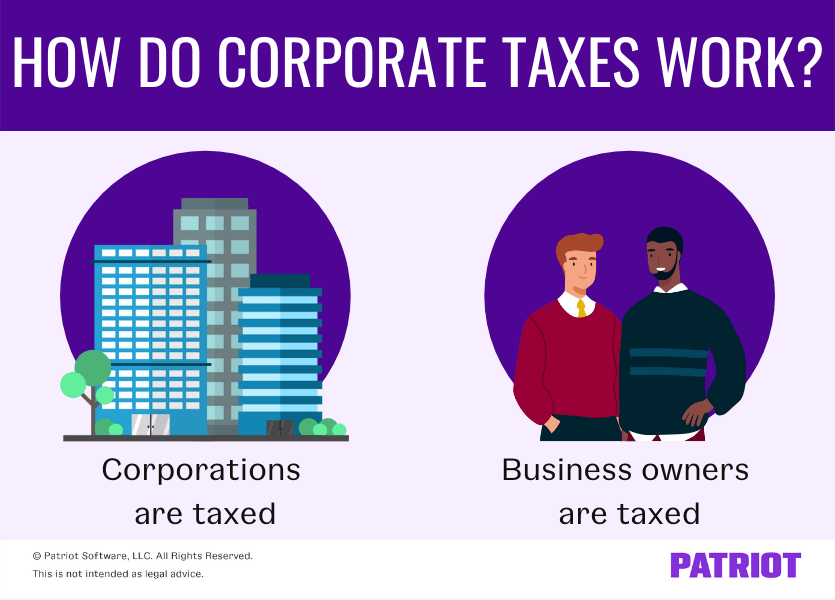
Checking out the Conveniences and Difficulties of Developing an LLC
Forming a Minimal Responsibility Business (LLC) provides entrepreneurs a flexible structure with substantial benefits, but also offers particular difficulties that should be browsed carefully. One of the primary advantages of an LLC is the security it provides to its members from individual obligation in numerous instances. This means that in the case of organization debts or lawsuits, the individual possessions of the owners are typically protected. Along with responsibility protection, LLCs are favored for their tax versatility. Unlike firms, which are subject to dual tax, LLCs take pleasure in pass-through taxes where the company's income is only taxed when on the participants' individual income tax return, possibly bring about considerable tax financial savings. LLCs are reasonably easy to keep and establish with much less rigid record-keeping and coverage requirements contrasted to companies, making them an appealing alternative for little to mid-sized companies. However, creating an LLC is not without its challenges. Depending on the state, the costs associated with establishing and keeping an LLC can differ dramatically, which can be a deterrent for some possible local business owner. Additionally, while the decreased procedures in administration and compliance are beneficial, they may also lead to obscurities in exactly how service choices are made, specifically in LLCs with multiple participants. how to find out who owns a business in wisconsin can result in conflicts or conflicts that may not occur with even more organized monitoring systems. Increasing resources can be much more hard for LLCs as they can not provide supply in the same way as firms. This may restrict the business's development possibility by limiting funding possibilities from investors who commonly try to find equity options in return for their investment. While the pass-through tax feature is valuable, it can additionally complicate personal tax obligation scenarios, needing participants to pay self-employment taxes and possibly leading to higher general tax obligation worries. Balancing these advantages and difficulties requires cautious planning and consideration. Possible entrepreneur must weigh these consider connection to their certain conditions and company objectives. Consulting with lawful and monetary specialists can help and give useful insights in making an informed decision about whether an LLC is the ideal structure for their company venture. By understanding both the benefits and prospective drawbacks, business owners can much better get ready for the duties and truths of having an LLC.